


Technology journalism has changed significantly as digital innovation has moved from a specialist subject into almost every part of modern life. Artificial intelligence, cloud computing, cybersecurity, connected devices, software platforms, automation, and digital infrastructure are now closely connected with the way people work and communicate. Within this changing environment, the phrase silicon-insider gordon james tech can be viewed as a useful search topic for readers interested in technology-focused stories, digital developments, and the people and ideas shaping conversations around innovation.
The modern technology landscape is also much broader than product announcements or software releases. A single technology story can involve business strategy, engineering, consumer behavior, privacy, investment, workplace changes, and social impact. This makes technology reporting increasingly valuable because readers often want to understand not only what has changed but also why that change matters. Looking at silicon-insider gordon james tech through this wider perspective provides an opportunity to examine the relationship between technology reporting, emerging trends, and the multiple stories developing across the digital economy.
Understanding the Technology Story Behind the Headlines
Technology news often appears straightforward on the surface. A company introduces a new artificial intelligence feature, a cloud platform expands its services, or a new device enters the market. However, the deeper story frequently involves several layers. Developers may be solving technical problems, businesses may be looking for efficiency, consumers may be changing their expectations, and regulators may be examining the broader implications. Good technology coverage brings these elements together instead of treating each announcement as an isolated event.
This broader approach is particularly important as technology companies increasingly operate across several sectors at once. A business working with cloud computing may also develop AI tools, cybersecurity services, data analytics, and automation products. Consequently, a development in one area can influence another. For readers following silicon-insider gordon james tech, this interconnected nature of technology stories provides a useful way to understand why apparently separate developments can become part of the same larger digital transformation.
Artificial Intelligence Is Reshaping the Technology Conversation
Artificial intelligence remains one of the most significant themes in contemporary technology. AI is moving beyond experimental applications and becoming part of software, search, customer service, content production, programming, data analysis, and business operations. The important question is increasingly not whether organizations will encounter AI but how they will integrate it responsibly and effectively into existing workflows.
Generative AI has also changed expectations around software. Instead of interacting with applications only through traditional menus and commands, users can increasingly describe what they want in natural language. This creates new possibilities for productivity, but it also introduces challenges involving accuracy, privacy, security, intellectual property, and human oversight. A technology-focused publication examining silicon-insider gordon james tech can therefore explore AI from several angles rather than treating it simply as another software trend.
AI and the Changing Workplace
The influence of AI on employment is another important part of the discussion. AI systems can automate repetitive tasks, assist with research, summarize information, generate drafts, analyze large datasets, and support customer interactions. At the same time, employees need new skills to evaluate AI-generated information and understand where automated systems may produce unreliable results.
Rather than viewing workplace AI only through the idea of replacing jobs, a more complete analysis considers how individual tasks are changing. A marketing professional, for example, may use AI to generate initial ideas while spending more time editing, checking facts, developing strategy, and understanding customers. Similarly, software developers may use AI-assisted programming tools while remaining responsible for architecture, testing, security, and final implementation.
Cloud Computing and the Expansion of Digital Infrastructure
Cloud computing has become another foundation of modern digital services. Applications that once required dedicated local hardware can now operate through remote infrastructure, allowing organizations to scale computing resources according to demand. This flexibility has supported startups, large enterprises, public services, entertainment platforms, and many other digital businesses.
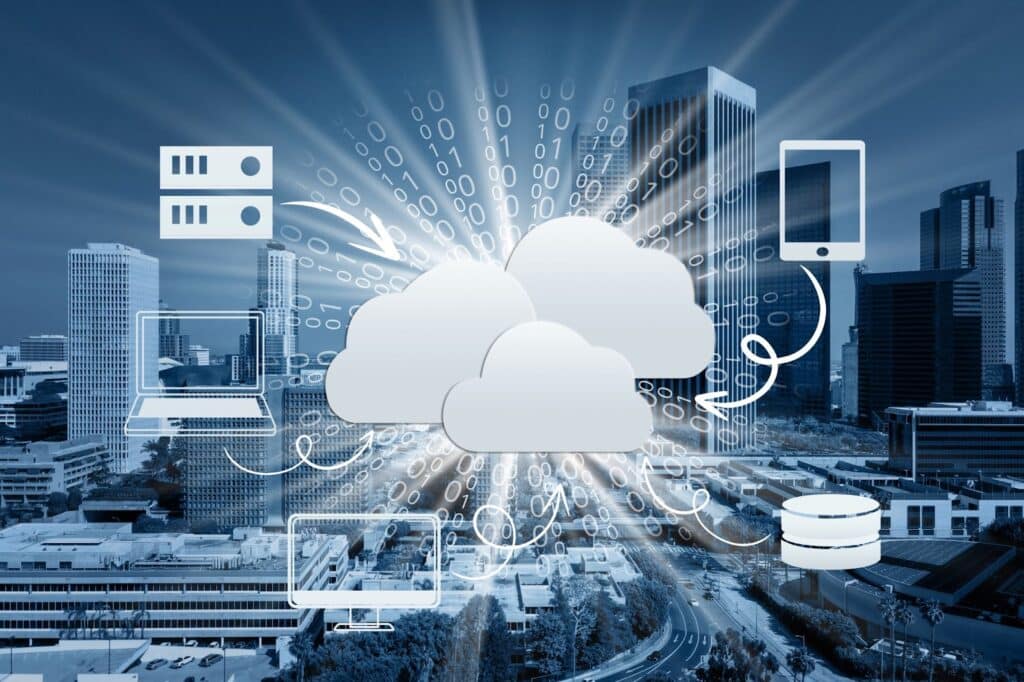
The growth of AI has made cloud infrastructure even more important. Advanced AI systems can require significant computing resources, specialized processors, large datasets, and sophisticated networking. As organizations experiment with increasingly demanding applications, infrastructure becomes a strategic consideration rather than a background technical detail. This connection between software innovation and physical computing resources is an important theme for readers interested in silicon-insider gordon james tech.
| Technology area | Current significance | Key consideration |
|---|---|---|
| Artificial Intelligence | Automation and intelligent software | Accuracy and responsible use |
| Cloud Computing | Scalable digital infrastructure | Cost, performance, and security |
| Cybersecurity | Protection of systems and data | Threat detection and resilience |
| Edge Computing | Faster processing closer to users | Infrastructure and connectivity |
| Connected Devices | Expansion of smart technology | Privacy and interoperability |
Cybersecurity Has Become a Core Technology Priority
As organizations become more dependent on digital systems, cybersecurity has become central to technology strategy. Businesses store customer information, financial records, intellectual property, operational data, and employee information across increasingly connected environments. A security incident can therefore affect far more than a single computer or application.
Modern cybersecurity involves multiple layers of protection. Identity management, secure authentication, endpoint protection, network monitoring, encryption, employee awareness, and incident response all contribute to an organization’s security posture. The challenge is that cyber threats continue to evolve, requiring organizations to treat security as an ongoing process rather than a one-time installation.
For technology readers, this creates a significant reporting opportunity. Stories about cybersecurity can explain how new threats emerge, how companies respond, and why ordinary users should understand basic digital security. In this broader context, silicon-insider gordon james tech can represent a technology topic that extends beyond innovation to include the protection and responsible management of digital systems.
The Growth of Connected and Intelligent Devices
Smartphones were once the primary gateway to digital services, but connected technology now extends into homes, factories, vehicles, healthcare environments, offices, and public infrastructure. Internet-connected devices can collect information, communicate with other systems, and respond automatically to changing conditions.
The industrial side of connected technology is particularly significant. Factories can use sensors to monitor equipment, detect unusual patterns, and predict maintenance requirements. Logistics companies can track shipments and optimize routes. Buildings can use connected systems to manage energy consumption. These examples show how digital technology is increasingly becoming part of physical infrastructure.
At the consumer level, however, convenience must be balanced with privacy. Connected devices can collect substantial amounts of information, making questions about data ownership, security, and transparency increasingly relevant. Technology journalism can help readers understand these issues by explaining both the practical benefits and the potential concerns.
Digital Transformation Is Not Only About New Products
Digital transformation is sometimes described as the process of purchasing new technology, but the reality is more complicated. Organizations may introduce advanced software and still fail to achieve meaningful results if employees are not trained or if the technology does not solve a genuine business problem. Successful transformation generally requires changes in processes, skills, leadership, and organizational culture.
For example, a company might implement an AI-powered customer service platform. The technology itself may be capable of handling thousands of requests, but the organization still needs appropriate data, escalation procedures, quality monitoring, and human support. Without those elements, the new system may create additional problems instead of improving customer service.
This is why technology stories benefit from practical context. Readers want to know how innovations work in real environments, what problems they solve, and what limitations organizations should consider. Such context makes silicon-insider gordon james tech relevant to a wider audience than technology enthusiasts alone.
Multiple Stories Create a Broader View of Innovation
The phrase “multiple stories” is particularly appropriate for today’s technology environment because there is rarely one single development defining the entire industry. AI, cybersecurity, cloud computing, semiconductors, robotics, software development, digital commerce, and connected devices are developing simultaneously.
Some stories focus on breakthrough technology, while others examine incremental improvements that eventually have a major impact. A small improvement in computing efficiency, for instance, may appear insignificant initially but become important when deployed across millions of devices. Similarly, an improvement in cybersecurity automation can change how organizations respond to thousands of potential threats.
A strong technology publication therefore needs to look beyond the most visible headlines. The most useful stories often connect technical developments with real-world consequences. Readers benefit when complex innovations are explained clearly without unnecessary technical language or exaggerated claims.
What Readers Can Look For in Technology Coverage
When evaluating technology stories, readers can pay attention to several practical elements:
- What problem does the technology actually solve?
- Who is developing or using it?
- What evidence supports the claimed benefits?
- What limitations, risks, or costs should be considered?
- How could the technology affect businesses or everyday users?
These questions help separate meaningful technological developments from temporary hype. They also encourage readers to understand innovation in context rather than judging a product or trend solely by its marketing message.
The Importance of Human-Centered Technology Reporting
Technology ultimately affects people. Whether the subject is an AI assistant, a cybersecurity platform, a cloud service, or a connected device, the technology matters because someone uses it, depends on it, pays for it, or is affected by its operation. Human-centered reporting therefore remains important even when the underlying subject is highly technical.
A clear technology article can explain complicated developments without removing the human element. It can describe how a new tool affects workers, how a security change affects customers, or how infrastructure investment influences the availability of digital services. This approach makes technology more understandable to readers who may not have an engineering background.
In this sense, silicon-insider gordon james tech can be approached as part of a broader technology-content ecosystem where multiple stories help readers connect individual innovations with larger digital trends. The value comes from context, clarity, and practical explanation rather than simply listing new products or repeating company announcements.
What the Future of Technology Coverage May Look Like
The next phase of technology reporting will likely require greater attention to the relationship between different innovations. AI will continue interacting with cloud infrastructure, cybersecurity, robotics, data systems, and consumer applications. Advances in hardware will influence software capabilities, while changes in regulation and public expectations may shape how technology is deployed.
Readers may also become more interested in practical outcomes. Instead of simply asking what a new technology can do, audiences increasingly want to know whether it works reliably, what it costs, how it handles personal information, and how it fits into existing systems. This shift can encourage technology journalism to become more analytical while remaining accessible.
The continuing development of silicon-insider gordon james tech as a search topic reflects the broader interest in technology stories that combine people, innovation, business, and digital transformation. As new technologies emerge, the ability to connect individual developments into understandable narratives will remain valuable.
Conclusion
Technology is no longer a separate category limited to computers and software. It is connected with business operations, communication, transportation, manufacturing, entertainment, cybersecurity, education, and everyday life. Artificial intelligence, cloud computing, connected devices, and digital infrastructure are developing together, creating a technology environment where one major change can influence several industries at the same time.