
.webp "Silicon-Insider Gordon James Tech: Exploring the Future of Innovation")
.webp&description=Explore how silicon-insider gordon james tech reflects emerging technology trends, digital innovation, AI, cybersecurity, and the changing tech landscape.)
Technology is moving through one of the most transformative periods in its history. Artificial intelligence, cloud computing, automation, cybersecurity, connected devices, and advanced data systems are changing how businesses operate and how consumers interact with digital services. As these technologies mature, technology-focused reporting and analysis have become increasingly important for people who want to understand not only what is happening today but also what may shape the next stage of digital development. The phrase silicon-insider gordon james tech can be viewed within this wider technology discussion, particularly around the intersection of technology reporting, innovation, business strategy, and emerging digital trends.
The modern technology landscape is no longer defined by a single breakthrough or one dominant category. Instead, innovation is developing across several interconnected areas. Artificial intelligence is becoming part of everyday software, businesses are moving more workloads toward cloud environments, and organizations are investing heavily in data security and digital infrastructure. At the same time, consumers are becoming more dependent on connected products and intelligent applications. Understanding these developments requires looking beyond individual products and considering how different technologies influence one another.
The relevance of silicon-insider gordon james tech therefore fits into a broader conversation about how technology information is interpreted in an increasingly complex market. Technology audiences want practical explanations, useful context, and meaningful insights rather than simple announcements. The ability to connect innovation with real-world business and consumer needs is becoming one of the most valuable parts of modern technology coverage.
The Changing Role of Technology Information
Technology journalism has changed considerably as digital innovation has accelerated. In the past, technology coverage often concentrated on new computers, software releases, mobile devices, and major corporate announcements. Today, the subject has expanded to include artificial intelligence models, semiconductor development, data-center infrastructure, digital privacy, automation, robotics, financial technology, and the environmental impact of computing.
This shift means technology readers increasingly expect content to explain why a development matters. A new artificial intelligence system, for example, is not important simply because it is more powerful than an earlier system. Its significance may come from how businesses use it, whether it changes workplace processes, how much computing infrastructure it requires, or what new risks it creates. The technology story is now closely connected to economics, employment, regulation, investment, and everyday life.
Within this environment, silicon-insider gordon james tech represents a technology-focused perspective that can be associated with examining innovation through a broader lens. Instead of treating every technology development as an isolated event, modern technology analysis can explore its potential impact on industries, organizations, and consumers. This approach helps readers understand the difference between short-term excitement and technology that could create lasting change.
Artificial Intelligence Is Reshaping the Technology Landscape
Artificial intelligence remains one of the strongest forces influencing the technology sector. AI has moved from specialized research environments into consumer applications, business software, search tools, customer service platforms, creative systems, cybersecurity products, and productivity applications. Organizations are experimenting with AI because it can analyze large quantities of information, automate repetitive activities, and support decision-making.
However, the growth of AI also introduces important challenges. Businesses must consider data privacy, accuracy, cybersecurity, transparency, intellectual property, and the cost of operating sophisticated models. The most successful AI strategies are therefore unlikely to depend solely on adopting the newest system. Instead, companies need to determine where AI can produce measurable value and where human judgment remains essential.
A technology perspective such as silicon-insider gordon james tech can be useful in this environment because the AI discussion increasingly requires context. Readers need to understand how artificial intelligence connects with cloud infrastructure, chips, data storage, software development, and business operations. AI is not simply a software trend; it is part of a much larger technology ecosystem.
Cloud Computing and Digital Infrastructure
Cloud computing has become another foundation of modern digital business. Companies increasingly depend on remote infrastructure for hosting applications, storing data, running analytics, and supporting artificial intelligence workloads. This flexibility allows organizations to scale their digital operations without building every component of their infrastructure internally.
The growth of cloud computing is also increasing demand for data centers, advanced processors, networking equipment, and efficient cooling systems. As AI workloads become more demanding, infrastructure providers are facing greater pressure to deliver performance while managing energy consumption and operational costs. This creates an important connection between software innovation and physical technology infrastructure.
The future of digital services will therefore depend on more than attractive applications. Behind many modern platforms are extensive networks of servers, processors, storage systems, and communication infrastructure. Discussions surrounding silicon-insider gordon james tech can be placed within this wider shift toward infrastructure-driven innovation, where computing capacity increasingly determines what digital services can deliver.
Cybersecurity Becomes a Strategic Priority
As organizations become more dependent on digital systems, cybersecurity has moved from an IT concern to a major business priority. Companies store sensitive customer information, financial records, intellectual property, employee data, and operational information across interconnected systems. A successful cyberattack can therefore create financial losses as well as serious reputational damage.

The security environment is becoming more complicated because attackers are also gaining access to increasingly sophisticated tools. Automated attacks, phishing campaigns, identity theft, ransomware, and vulnerabilities in connected devices can affect organizations of different sizes. Businesses now need layered security strategies that combine technology, employee awareness, access controls, monitoring, and continuous updates.
A modern technology publication or analysis framework must therefore consider security whenever it discusses digital transformation. Innovation without protection can create new vulnerabilities. This is one reason the technology conversation associated with silicon-insider gordon james tech can extend beyond new products and include the infrastructure, privacy, and security practices needed to support digital growth.
Key Technology Areas to Watch
The technology sector is developing across several categories simultaneously. Rather than focusing on one trend, businesses and technology audiences can monitor several areas that may influence future digital strategies.
- Artificial intelligence and machine learning applications across business and consumer markets.
- Semiconductor innovation supporting AI, mobile computing, automation, and data centers.
- Cybersecurity technologies designed to protect increasingly distributed digital environments.
- Robotics, automation, and connected devices entering more workplaces and everyday settings.
These areas are interconnected. Advances in semiconductor design can improve AI performance, while better AI systems can increase demand for cloud infrastructure. Cybersecurity must then evolve to protect those systems. This interconnected nature makes technology analysis more valuable because individual developments often have effects beyond their original category.
Technology and Business Transformation
Technology is increasingly becoming a central part of business strategy rather than a supporting function. Companies in retail, finance, healthcare, manufacturing, logistics, education, and professional services are using digital tools to improve efficiency and develop new customer experiences. The competitive advantage often comes from how effectively a company combines technology with its existing knowledge and processes.
For example, automation can reduce repetitive administrative work, but its value depends on how well the automated process is designed. Artificial intelligence can analyze information rapidly, but organizations still need appropriate data and human oversight. Cloud platforms can provide flexibility, but businesses must manage costs, security, and system architecture carefully.
This relationship between technology and business strategy is an important area for silicon-insider gordon james tech discussions. Technology becomes more meaningful when it is connected to practical outcomes. Readers are increasingly interested in understanding how innovation can solve real problems, improve productivity, reduce unnecessary costs, or create new opportunities.
How Major Technology Trends Compare
| Technology Area | Current Business Impact | Key Opportunity | Major Challenge |
|---|---|---|---|
| Artificial Intelligence | High | Automation and intelligent decision support | Accuracy, privacy, governance |
| Cloud Computing | High | Flexible infrastructure and scalability | Cost and security management |
| Cybersecurity | Critical | Stronger digital protection | Increasing attack complexity |
| Semiconductors | High | Faster and more efficient computing | Supply and manufacturing demands |
| Robotics | Growing | Physical automation and productivity | Cost and workforce adaptation |
| Connected Devices | Growing | Real-time monitoring and services | Privacy and device security |
This comparison shows why technology cannot be viewed through a single category. Each area has different opportunities and risks, yet all are connected through the broader digital ecosystem. As adoption continues, businesses will need to evaluate technology based on practical performance rather than simply following popular trends.
The Importance of Responsible Innovation
Rapid technological development creates opportunities, but it also raises questions about responsible adoption. Companies need to consider how technologies affect customers, employees, communities, and the environment. Artificial intelligence, for example, can improve productivity while also raising questions about data usage and automated decision-making.
Responsible innovation does not mean avoiding new technology. Instead, it means developing systems with appropriate safeguards and evaluating their broader consequences. Businesses that consider privacy, transparency, security, accessibility, and sustainability from the beginning may be better positioned to build lasting digital products.
This principle is increasingly relevant to silicon-insider gordon james tech, because technology audiences need more than predictions about what will become popular. They also need analysis of whether an innovation can be implemented effectively and responsibly. Long-term technology success is likely to depend on trust as much as performance.
What the Next Phase of Digital Innovation Could Bring
The next stage of technological development is likely to involve deeper integration rather than isolated breakthroughs. AI will increasingly connect with cloud platforms, specialized processors, cybersecurity tools, robotics, analytics, and connected devices. Instead of using one technology at a time, businesses will build interconnected systems designed to perform multiple functions.
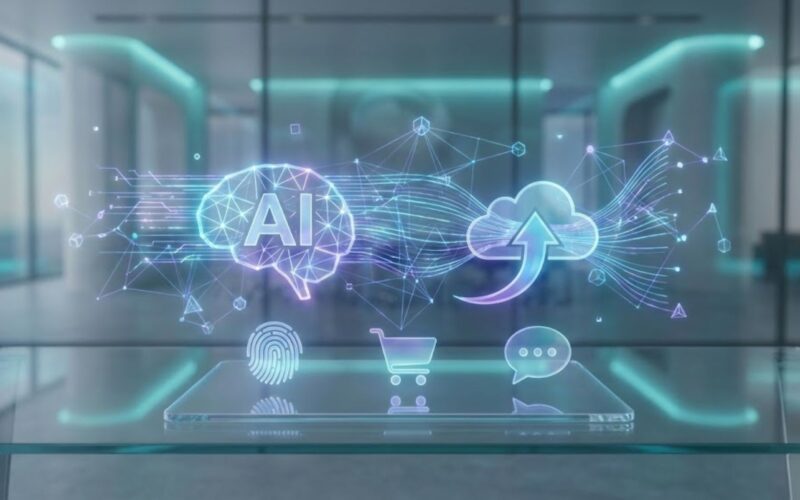
This could make digital products more personalized and automated. Intelligent software may increasingly anticipate user needs, while connected devices could provide continuous data for businesses and consumers. At the infrastructure level, companies will continue looking for more efficient ways to process growing volumes of information without allowing costs and energy consumption to rise uncontrollably.
The significance of silicon-insider gordon james tech in this context lies in understanding technology as an evolving ecosystem. The most important developments may not always be the products receiving the most attention. Sometimes the more significant change happens behind the scenes through infrastructure, chips, software architecture, security systems, or new methods of managing information.
Why Technology Analysis Matters for Readers
The speed of innovation makes it difficult for individuals and businesses to keep track of every development. Technology analysis helps separate meaningful changes from temporary excitement. A new product announcement may attract attention for a few days, while an infrastructure development could quietly influence an entire industry for years.
Readers benefit when technology coverage explains practical consequences. Instead of simply describing what a new system does, useful analysis considers who will use it, what problem it solves, how it compares with existing approaches, and what limitations could prevent widespread adoption.
This makes silicon-insider gordon james tech a useful phrase within a broader technology-information landscape where readers are looking for explanations rather than promotional language. Clear technology writing can help audiences make better decisions about software, digital infrastructure, security, investment priorities, and emerging business opportunities.
Conclusion
The technology industry is entering a period defined by interconnected innovation. Artificial intelligence, cloud computing, semiconductors, cybersecurity, automation, robotics, and connected devices are developing simultaneously, creating opportunities that extend far beyond traditional technology companies. Businesses and consumers are increasingly dependent on these systems, making it essential to understand not only what new technologies can do but also how they fit into the larger digital environment. The broader conversation surrounding silicon-insider gordon james tech reflects the growing need for informed technology perspectives that connect innovation with practical outcomes. As digital transformation continues, successful technology adoption will depend on more than speed. Organizations will need to balance performance, security, cost, responsibility, and long-term value.