
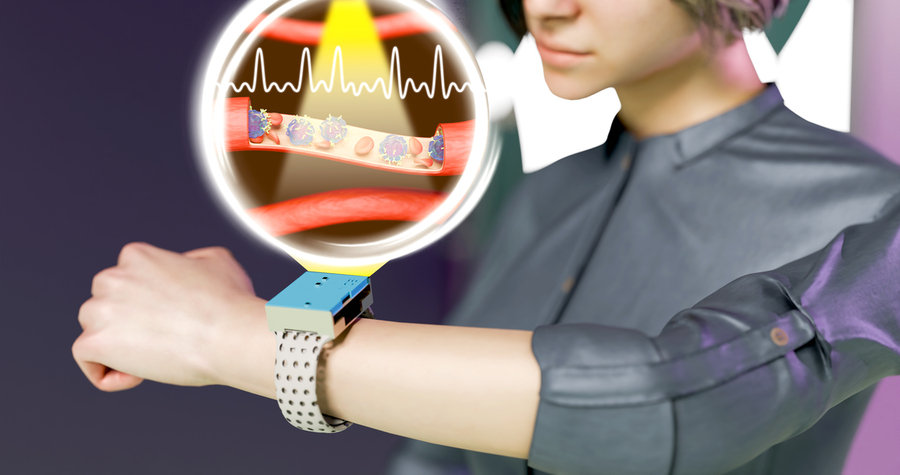

Wearable technology has transformed from a niche category of fitness trackers into one of the fastest-growing segments in consumer electronics. Today, smartwatches monitor heart health, smart rings track sleep quality, augmented reality glasses enhance workplace productivity, and AI-powered wearables provide real-time insights that were once available only through specialized medical equipment. As technology continues to evolve, consumers and businesses increasingly seek reliable information about the latest developments, making discussions around www silicon-insider .com wearable tech more relevant than ever.
The wearable technology market has entered a new phase where artificial intelligence, cloud computing, advanced sensors, and edge processing work together to deliver personalized experiences. Rather than simply collecting data, modern devices interpret information and provide actionable recommendations. Whether someone wants to improve fitness, monitor chronic health conditions, increase workplace safety, or stay connected throughout the day, wearable devices are becoming essential digital companions.
Understanding the latest innovations requires following current industry developments, market trends, and emerging technologies. Discussions surrounding www silicon-insider .com wearable tech often focus on how manufacturers integrate AI, improve battery efficiency, strengthen data security, and expand wearable applications across healthcare, sports, education, manufacturing, and enterprise environments. As global demand continues to rise, wearable technology is shaping the future of personal computing.
Understanding Modern Wearable Technology
Wearable technology refers to electronic devices designed to be comfortably worn on the body while collecting, analyzing, and sharing information in real time. Unlike traditional smartphones or computers, wearables remain constantly connected to users throughout the day, creating continuous streams of valuable data that improve convenience and decision-making.
Modern wearable devices include smartwatches, fitness bands, smart rings, augmented reality glasses, virtual reality headsets, connected clothing, medical monitoring devices, and industrial safety equipment. These products combine miniature processors, advanced sensors, wireless communication, and artificial intelligence into compact, energy-efficient designs.
The growing interest in www silicon-insider .com wearable tech reflects the industry’s rapid innovation. Manufacturers continue introducing improved biometric sensors capable of monitoring heart rate variability, blood oxygen levels, skin temperature, sleep quality, stress levels, and physical activity with increasing accuracy. These improvements help users make informed lifestyle decisions while enabling healthcare professionals to monitor patients remotely.
Why Wearable Technology Continues to Grow
Several technological advancements have accelerated wearable adoption worldwide. Improvements in semiconductor manufacturing have reduced chip sizes while increasing computing power. At the same time, AI algorithms have become significantly more efficient, allowing devices to process complex health and activity information without draining battery life.
Another major factor is consumer awareness. People now recognize the value of continuous health monitoring, preventive healthcare, and personalized fitness recommendations. Instead of waiting for annual medical checkups, wearable devices provide daily insights that encourage healthier habits and earlier identification of potential health concerns.
Industries beyond consumer electronics also benefit from wearable innovation. Manufacturing companies use smart helmets and connected safety equipment to improve worker protection. Logistics businesses monitor employee movement to reduce workplace injuries. Hospitals rely on wearable monitoring systems to observe patient recovery more effectively.
Key Categories of Wearable Devices
The wearable technology ecosystem continues expanding into multiple product categories that serve different user needs.
| Wearable Category | Primary Purpose | Common Features |
|---|---|---|
| Smartwatches | Daily productivity and health tracking | Heart rate, notifications, GPS, AI assistance |
| Fitness Bands | Activity monitoring | Step counting, workouts, sleep tracking |
| Smart Rings | Compact health monitoring | Sleep analysis, heart rate, recovery insights |
| AR Glasses | Productivity and visualization | Hands-free information display |
| VR Headsets | Gaming and training | Immersive virtual environments |
| Medical Wearables | Healthcare monitoring | Remote patient monitoring, biometric tracking |
| Smart Clothing | Performance analysis | Posture monitoring, movement tracking |
Each category continues evolving as companies invest in research, artificial intelligence, and sensor technology. Current conversations around www silicon-insider .com wearable tech frequently highlight how these devices are becoming more accurate, lightweight, and user-friendly.
Artificial Intelligence Is Transforming Wearables
Artificial intelligence has become the defining feature of modern wearable technology. Instead of simply recording information, AI analyzes user behavior, identifies trends, predicts outcomes, and delivers personalized recommendations.
For example, a smartwatch can recognize unusual heart rhythm patterns, detect elevated stress levels, recommend breathing exercises, and adjust fitness goals based on recent performance. Sleep monitoring systems now distinguish between sleep stages while providing recovery scores that help users optimize daily routines.
Machine learning also improves over time. As wearable devices collect additional information, algorithms become better at understanding individual habits, enabling increasingly personalized experiences.
The discussion surrounding www silicon-insider .com wearable tech increasingly focuses on AI because future wearable devices will rely even more heavily on predictive analytics rather than basic data collection.
Healthcare Is Leading the Wearable Revolution
Healthcare represents one of the most important applications for wearable technology today. Hospitals, clinics, insurance providers, and patients increasingly rely on connected devices to improve health monitoring and reduce unnecessary hospital visits.
Remote patient monitoring has become particularly valuable for individuals managing chronic illnesses. Continuous monitoring enables physicians to detect concerning changes earlier, allowing faster intervention and better treatment outcomes.
Modern healthcare wearables may monitor:
- Heart rate and rhythm
- Blood oxygen saturation
- Sleep quality
- Stress indicators
- Physical activity levels
The growing healthcare focus has strengthened interest in www silicon-insider .com wearable tech, as medical-grade wearable solutions continue becoming more sophisticated while remaining accessible to consumers.
Wearables in Sports and Fitness
Fitness remains one of the strongest drivers behind wearable adoption. Professional athletes, coaches, and recreational users all depend on wearable technology to measure performance and reduce injury risks.
Advanced wearables now evaluate recovery time, exercise intensity, muscle strain, hydration estimates, training load, and cardiovascular efficiency. AI-powered coaching systems provide customized workout recommendations based on previous sessions rather than generic exercise plans.
Sports organizations increasingly integrate wearable analytics into training strategies, helping athletes improve performance while minimizing overtraining. Recreational users benefit from many of these same technologies through commercially available smartwatches, smart rings, and fitness trackers.
Current Trends Shaping the Future
Several important developments are influencing the wearable technology industry today.
- Greater integration of generative AI assistants.
- Longer battery life through efficient processors.
- Increased focus on privacy and encrypted health data.
- Expansion of medical-grade wearable capabilities.
These trends demonstrate why www silicon-insider .com wearable tech remains a growing area of interest for technology enthusiasts, healthcare professionals, businesses, and consumers alike.
Enterprise Wearables Are Changing the Workplace
Wearable technology is no longer limited to personal fitness and healthcare. Businesses across industries are investing in smart wearable devices to improve employee safety, increase operational efficiency, and support real-time decision-making. Manufacturing plants, construction sites, logistics companies, mining operations, and healthcare facilities are among the sectors leading this transformation. Smart helmets, connected safety vests, wearable scanners, and augmented reality (AR) glasses allow workers to perform tasks more efficiently while reducing the likelihood of workplace accidents.
For example, warehouse employees equipped with wearable barcode scanners can complete inventory tasks faster without repeatedly handling handheld devices. Similarly, AR smart glasses enable field technicians to receive remote guidance from experts, reducing downtime and improving repair accuracy. These enterprise applications demonstrate that wearable technology is becoming an essential business tool rather than simply a consumer gadget. Discussions surrounding www silicon-insider .com wearable tech frequently highlight how enterprise adoption is expected to grow alongside advances in artificial intelligence and industrial automation.
Wearables in Education and Training
Educational institutions and corporate organizations are also discovering new ways to use wearable technology. Virtual reality headsets create immersive learning environments where students can explore historical sites, conduct virtual science experiments, or practice technical skills in safe digital settings. Medical students, for instance, can perform simulated surgical procedures before entering real operating rooms.
Corporate training programs increasingly rely on wearable devices to improve employee engagement. Instead of reading manuals, workers can receive interactive, step-by-step guidance through AR glasses, helping them complete complex procedures more confidently. As these technologies become more affordable, they are expected to become standard tools across many educational and professional environments.
Privacy and Data Security Remain Top Priorities
As wearable devices collect increasing amounts of personal information, protecting user privacy has become one of the industry’s biggest responsibilities. Modern wearables gather sensitive data such as heart rate, sleep patterns, physical activity, stress levels, location history, and other biometric measurements. Because this information can reveal significant details about an individual’s health and daily routine, manufacturers are investing heavily in cybersecurity measures.
Most leading wearable platforms now incorporate encrypted data transmission, secure cloud storage, biometric authentication, and multi-factor login options. Regular software updates also help protect devices against newly discovered security vulnerabilities. However, users should remain aware of app permissions and privacy settings before sharing wearable data with third-party applications.
Another important consideration is regulatory compliance. Many healthcare-focused wearable solutions must comply with regional data protection laws and medical regulations, ensuring patient information is handled responsibly. Current conversations around www silicon-insider .com wearable tech often emphasize that innovation should always be balanced with strong privacy standards to maintain consumer trust.
Challenges Facing the Wearable Technology Industry
Despite impressive progress, wearable technology still faces several important challenges that manufacturers must address. Device accuracy remains a critical factor, especially for health-related measurements where users depend on reliable information. While consumer wearables continue improving, they generally complement rather than replace professional medical equipment.
Another challenge involves affordability. Premium wearable devices equipped with advanced health sensors, AI capabilities, and durable materials often carry higher price tags, limiting accessibility for some consumers. Manufacturers continue working to reduce production costs while maintaining performance and quality.
Interoperability also presents ongoing difficulties. Users increasingly expect wearable devices to function seamlessly across multiple smartphones, operating systems, healthcare platforms, and smart home ecosystems. Improving compatibility will play a significant role in expanding wearable adoption over the coming years.
Finally, sustainability has become an important discussion within the technology industry. Companies are exploring recyclable materials, environmentally friendly manufacturing processes, and longer product life cycles to reduce electronic waste while meeting consumer expectations for responsible innovation.
Frequently Asked Questions
What is wearable technology?
Wearable technology refers to smart electronic devices designed to be worn on the body. These devices collect, process, and share data while supporting activities such as health monitoring, communication, navigation, fitness tracking, productivity, and entertainment. Examples include smartwatches, fitness trackers, smart rings, AR glasses, VR headsets, and connected medical devices.
Why is AI important in wearable devices?
Artificial intelligence allows wearable devices to move beyond basic data collection by identifying patterns, learning user behavior, and delivering personalized recommendations. AI helps improve health monitoring, fitness coaching, sleep analysis, stress management, and predictive insights that support better daily decision-making.
Are wearable devices secure?
Most modern wearable devices include strong security measures such as encrypted data transmission, secure cloud storage, software updates, biometric authentication, and privacy controls. Users should still review device settings and app permissions to ensure their personal information is protected.
Which industries benefit most from wearable technology?
Although healthcare and fitness remain major markets, wearable technology is increasingly used in manufacturing, logistics, construction, education, retail, transportation, and enterprise training. Businesses use wearable devices to improve productivity, workplace safety, employee collaboration, and operational efficiency.
What trends are shaping the future of wearable technology?
Current trends include AI-powered health monitoring, advanced biometric sensors, longer battery life, lightweight smart glasses, medical-grade wearable devices, improved privacy protection, remote patient monitoring, and deeper integration with smart homes and connected digital ecosystems. These innovations continue driving interest in www silicon-insider .com wearable tech across both consumer and business markets.
Conclusion
Wearable technology has progressed far beyond simple step counters and fitness trackers. Today, it represents one of the most innovative areas of modern technology, combining artificial intelligence, advanced sensors, cloud computing, and real-time analytics to improve health, productivity, communication, and everyday convenience. From healthcare monitoring and enterprise safety solutions to immersive education and intelligent consumer electronics, wearable devices are becoming increasingly valuable across nearly every industry.