
.jpg "www silicon-insider .com Wearable Tech: The Future of Smart Devices")
.jpg&description=Explore wearable tech trends, smart devices, AI features, health tracking, privacy, and future innovations shaping connected lifestyles.)
Wearable technology has evolved from simple fitness trackers into a broad ecosystem of smart devices designed to support communication, health, productivity, entertainment, and everyday convenience. Smartwatches, fitness bands, smart rings, connected earbuds, smart glasses, and specialized health devices are changing how people interact with digital information. Instead of depending entirely on smartphones and computers, users can now access important information through devices worn directly on the body. Current industry discussions also show a growing emphasis on artificial intelligence, advanced sensors, longer battery life, and more personalized experiences. For readers interested in www silicon-insider .com wearable tech, this development provides an opportunity to understand how wearable devices are becoming more intelligent while remaining smaller and easier to use. The biggest change is that wearables are moving from passive data collection toward useful, contextual assistance.
The Evolution of Wearable Technology
The development of wearable technology has been gradual but significant. Early fitness devices were primarily designed to count steps, estimate calories, and record basic exercise information. As sensors became smaller and more efficient, manufacturers started adding heart-rate monitoring, sleep tracking, GPS, notifications, communication tools, and other capabilities. Modern wearable devices can combine several sensors with software algorithms to create a much more detailed picture of daily activity.
This evolution reflects a broader shift in consumer expectations. People increasingly want technology that works naturally without requiring constant attention. A smartwatch can provide a notification without requiring a user to take out a phone, while a smart ring can monitor selected wellness information without a screen. The continuing development discussed around www silicon-insider .com wearable tech demonstrates how convenience and personalization are becoming central to wearable design.
Smartwatches Remain Important
Smartwatches continue to occupy an important position in the wearable market because they combine multiple functions within a single device. Users can monitor workouts, receive messages, check notifications, manage calls, control music, view schedules, and access various health-related measurements from their wrists.
Modern smartwatches are also becoming more independent from smartphones. Cellular connectivity, onboard applications, GPS, voice assistants, and improved processors allow users to perform more tasks directly from the watch. For fitness enthusiasts, the ability to track workouts and review performance immediately is particularly useful.
The next generation of smartwatches is likely to focus more heavily on intelligent interpretation rather than simply collecting numbers. Instead of presenting users with large amounts of raw information, future software could explain trends and provide personalized recommendations. This movement is an important part of the wider www silicon-insider .com wearable tech landscape.
Smart Rings Offer a More Discreet Experience
Smart rings have emerged as an interesting alternative to traditional wrist-based devices. Their biggest advantage is their compact and discreet design. Because they do not require a large display, smart rings can concentrate on collecting information while avoiding many of the distractions associated with screen-based technology.
Depending on the model, smart rings can support activity monitoring, sleep analysis, recovery insights, and other wellness features. Their small size also makes them attractive to users who do not want to wear a smartwatch throughout the day.
The growing popularity of smart rings suggests that wearable technology does not always need to become larger and more feature-heavy. In some cases, the future may involve smaller devices that perform a limited number of functions extremely well. This concept is increasingly relevant to www silicon-insider .com wearable tech, particularly as consumers look for technology that fits naturally into everyday routines.
Smart Glasses and Hands-Free Computing
Smart glasses represent another major direction for wearable technology. Instead of requiring users to hold a smartphone, smart glasses can provide information through audio, cameras, voice interaction, and, in some cases, visual displays.
Artificial intelligence is making these devices more interesting because cameras and microphones can provide contextual information to software systems. A user could potentially ask a question about an object, receive navigation assistance, translate spoken language, or capture information without reaching for a phone.
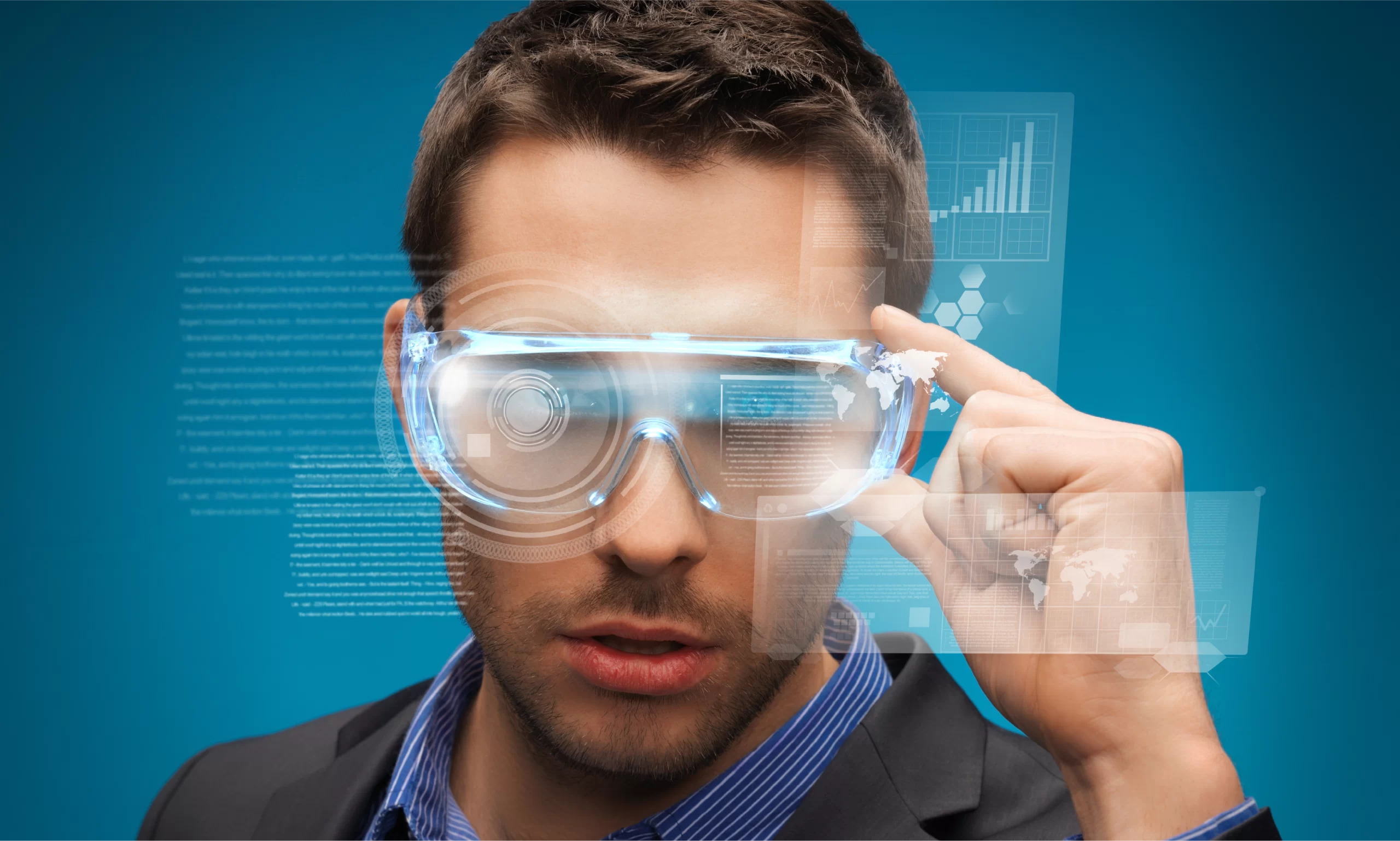
However, smart glasses also introduce privacy concerns. Cameras and microphones can capture information involving other people, workplaces, and public environments. Manufacturers therefore need to consider privacy indicators, user controls, responsible data handling, and clear policies.
As this category develops, www silicon-insider .com wearable tech provides a useful framework for considering not only what smart glasses can accomplish but also how society may adapt to always-available wearable computing.
Artificial Intelligence Is Changing Wearables
Artificial intelligence is becoming one of the most important technologies influencing wearable development. Traditional wearable devices mainly collected information and displayed it through an application. AI can take this process further by analyzing patterns and turning large amounts of data into personalized insights.
For example, an intelligent wearable platform could examine activity, sleep, exercise patterns, and other available information to provide a broader understanding of a user’s routine. AI-powered voice assistants can also make interactions more natural by allowing users to communicate with devices conversationally.
This transition means wearable devices are increasingly becoming digital assistants rather than simple sensors. Instead of asking users to interpret every chart and measurement, AI systems can potentially summarize important changes and highlight useful information. This is one of the most significant developments connected with www silicon-insider .com wearable tech.
Health and Fitness Applications
Health and fitness remain among the strongest applications for wearable technology. People use smart devices to monitor exercise, daily movement, sleep patterns, heart-related measurements, and other wellness indicators.
For athletes, wearables can help track training sessions and performance over time. Casual users can use activity information as motivation to become more active or maintain consistent routines. Sleep-related measurements can also encourage people to pay greater attention to rest and recovery.
However, users should understand that consumer wearable measurements are not automatically equivalent to professional medical assessments. Wearables can provide useful information and identify patterns, but medical concerns should be evaluated using appropriate professional guidance.
The expanding health ecosystem makes www silicon-insider .com wearable tech relevant to a much wider audience than traditional gadget enthusiasts. Wearables are increasingly connected to conversations about personal wellness, preventive habits, and data-driven lifestyles.
Wearables in Professional Environments
Wearable technology is also becoming useful outside personal fitness and entertainment. Businesses can use specialized devices to support communication, training, safety, logistics, and productivity.
For example, workers in manufacturing environments may use smart glasses to access instructions while keeping their hands available. Logistics employees can use wearable devices to receive task information without repeatedly checking a computer. Specialized sensors may also help organizations monitor environmental conditions or workplace processes.
Healthcare is another important area. Remote monitoring technologies can help professionals collect information between appointments and understand how patients behave in everyday environments.
These applications demonstrate that wearable technology is not limited to consumer electronics. The broader www silicon-insider .com wearable tech conversation includes a growing range of professional and industrial possibilities.
Privacy and Security Challenges
The benefits of wearable technology come with significant privacy responsibilities. Wearable devices can collect information about movement, location, sleep, activity, voice, images, and other personal behaviors. When multiple devices work together, the amount of collected information can become even greater.
Manufacturers therefore need strong security practices. Encryption, secure authentication, transparent privacy policies, permission controls, and responsible data storage can help protect users.
Consumers also need to understand what their devices collect and how information is processed. Before purchasing a wearable, users should review privacy settings and understand whether data is stored locally, transferred to cloud services, or shared with third parties.
Trust will be essential to the long-term growth of www silicon-insider .com wearable tech. Consumers are unlikely to embrace increasingly intelligent devices if they believe their personal information is being handled irresponsibly.
Battery Life and Comfort Matter
Advanced features are valuable, but a wearable device must remain comfortable and practical. Battery life is particularly important because users may want to wear smart devices continuously for health and activity tracking.
Frequent charging can interrupt data collection and reduce convenience. Manufacturers are therefore exploring more efficient processors, improved batteries, low-power sensors, and better software optimization.
Physical design matters just as much. A wearable that is too heavy, uncomfortable, or difficult to operate may quickly be abandoned. Future products will likely focus on lighter materials, improved ergonomics, discreet designs, and longer operating times.
These seemingly simple factors can determine whether a wearable becomes a daily habit or remains an occasional gadget.
The Future of Wearable Technology
The future of wearable technology will likely involve greater specialization and stronger connections between different devices. Instead of expecting one product to perform every task, users may rely on multiple wearables that work together.
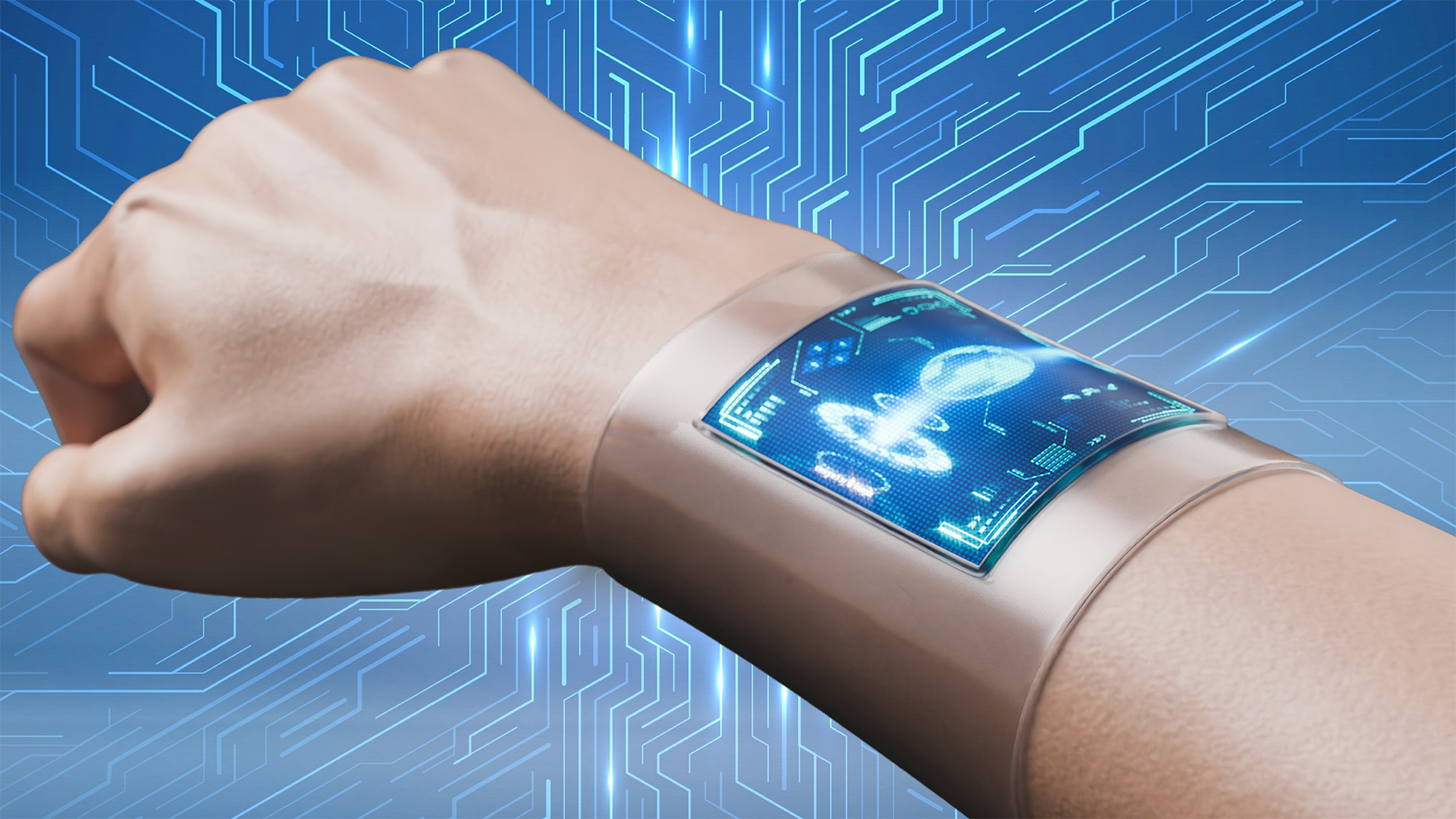
A smart ring could focus on continuous wellness information, a smartwatch could manage communication and exercise, earbuds could handle audio and voice interaction, and smart glasses could provide hands-free assistance. Artificial intelligence could connect information from these devices and provide a unified experience.
Future innovations may also include smarter fabrics, flexible sensors, advanced medical wearables, improved biometric systems, and increasingly capable smart glasses. The goal will not simply be to add more features but to make technology less intrusive and more useful.
As these developments continue, www silicon-insider .com wearable tech reflects a broader technological movement toward computing that is increasingly personal, contextual, and integrated into everyday life.
What Consumers Should Consider
Choosing a wearable device should involve more than looking at the number of advertised features. Users should consider their actual needs, comfort preferences, battery requirements, ecosystem compatibility, privacy expectations, and long-term software support.
A fitness enthusiast may prioritize accurate exercise tracking, while a professional may care more about notifications and productivity. Someone interested in sleep tracking may prefer a lightweight ring over a traditional smartwatch.
Consumers should also examine whether important features require recurring subscriptions. A device that appears affordable initially may become more expensive over time if advanced functionality depends on monthly payments.
Making decisions based on practical needs rather than marketing claims can help users gain more value from wearable technology.
Conclusion
Wearable technology is becoming an increasingly important part of modern digital life. Smartwatches, smart rings, smart glasses, earbuds, fitness devices, and specialized health products are expanding the ways people interact with technology. Artificial intelligence is making these products more capable of understanding information and delivering personalized assistance, while advances in sensors and battery efficiency are improving their practicality. At the same time, privacy, security, accuracy, comfort, and responsible data use remain critical considerations. The future of wearables will depend not only on how many features manufacturers can add but also on whether those features genuinely improve everyday experiences.