


Wearable technology has moved far beyond simple fitness bands and step counters. Today, smartwatches, smart rings, intelligent earbuds, health trackers, and AI-powered glasses are becoming important parts of the connected technology ecosystem. These devices combine sensors, wireless connectivity, artificial intelligence, and increasingly sophisticated software to collect information and provide useful insights throughout the day. As consumers become more interested in health, productivity, convenience, and hands-free computing, wearable devices are developing into a much broader technology category.
The current wearable market is particularly interesting because different device formats are evolving at the same time. IDC reported that worldwide wearable-device shipments reached 145.7 million units in the first quarter of 2026, while smart glasses and smart rings continued to be among the faster-growing categories. IDC forecasts 13.6 million smart-glasses shipments for 2026 and 4.9 million smart-ring shipments. This changing landscape helps explain why www silicon-insider .com wearable tech is a useful topic for understanding how personal technology is moving from screens toward more natural, body-worn interfaces.
What Is Driving the New Generation of Wearable Technology?
The biggest change in wearable technology is the move from passive data collection toward intelligent interpretation. Earlier fitness trackers mainly counted steps, measured heart rate, and displayed basic exercise statistics. Modern devices can combine several measurements and use software to identify patterns in sleep, activity, recovery, movement, and other areas of daily life. Artificial intelligence is increasingly being used to turn large amounts of sensor information into easier-to-understand recommendations.
This development is also changing the relationship between a person and a wearable device. Instead of constantly opening an application and examining graphs, users increasingly expect technology to provide information at the appropriate moment. A smartwatch might highlight a change in activity patterns, while smart glasses can provide audio assistance without requiring the user to hold a smartphone. This transition toward more ambient computing is one of the most important themes surrounding www silicon-insider .com wearable tech and the broader consumer technology industry.
Smartwatches Continue to Evolve
Smartwatches remain one of the most established wearable categories. Although the market is becoming more competitive, manufacturers continue to improve sensors, processors, displays, battery efficiency, safety functions, and health-related capabilities. The modern smartwatch is increasingly positioned as a small computing platform rather than simply a digital watch.
Health and wellness remain important areas of development. Newer watches can monitor metrics associated with exercise, sleep, heart activity, temperature, and recovery. Some devices also provide emergency communication and fall-detection functions. In 2026, Apple introduced a readiness feature that combines several measurements to help users understand their daily recovery and preparedness for activity.
However, more data does not automatically mean perfect information. Wearable measurements can vary according to device design, sensor placement, movement, skin contact, and software algorithms. This is particularly important when consumers use wellness devices to interpret health information. The U.S. Government Accountability Office has noted both the potential of health-related wearables and challenges involving reliability and integration into clinical decision-making.
Smart Rings Are Becoming More Important
Smart rings represent another major direction in wearable technology. Unlike watches, rings can provide health and activity tracking in a small, screen-free form factor. Their compact design can make them attractive to people who want continuous measurements without wearing a larger device on the wrist.
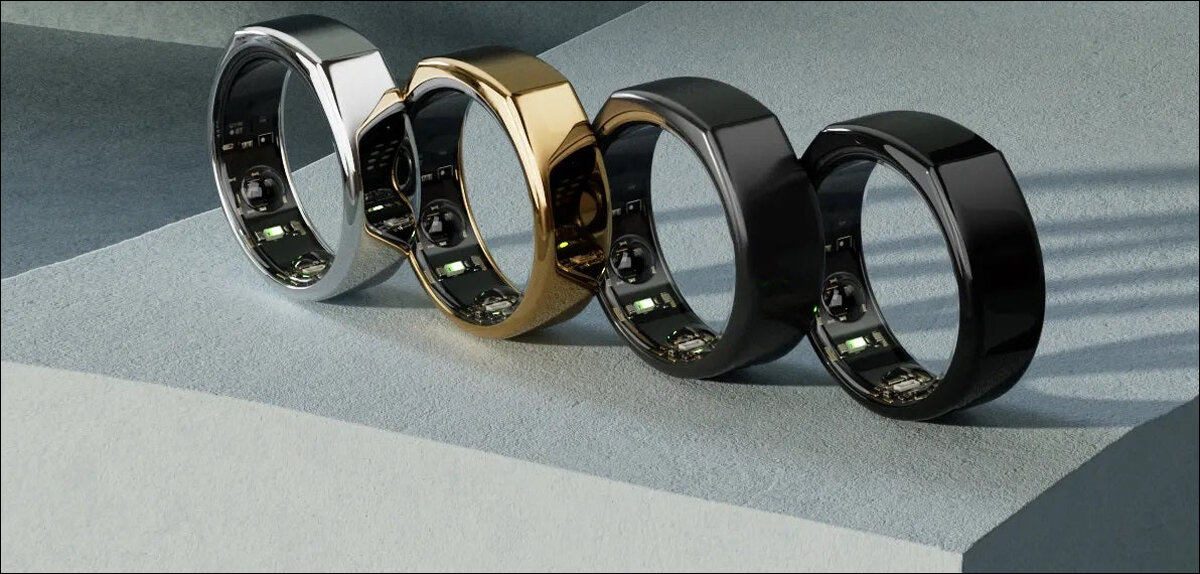
Sleep, heart-rate patterns, temperature, activity, and recovery-related measurements are among the areas being developed across the smart-ring category. The category is also attracting more competition. IDC forecasts approximately 4.9 million smart-ring shipments in 2026, with the market expected to expand further through the end of the decade.
The appeal of rings illustrates an important principle in www silicon-insider .com wearable tech: future devices do not necessarily need more screens. In many situations, consumers may prefer technology that becomes smaller, quieter, and less intrusive while continuing to collect useful information in the background.
AI-Powered Smart Glasses Are Reshaping Wearables
Smart glasses have become one of the most closely watched areas of wearable technology in 2026. Modern products can combine microphones, speakers, cameras, wireless connectivity, and AI assistants in an eyewear format. Some designs do not even require a display because the main interaction happens through voice, audio, cameras, and smartphone-connected services.
IDC reported that display-less smart-glasses shipments increased 167% year over year in the first quarter of 2026, reaching approximately 2.25 million units. The company forecasts 13.6 million shipments for the full year and expects the category to reach 27.3 million units by 2030.
The attraction is straightforward. Glasses can provide hands-free access to information while allowing users to remain focused on their surroundings. Potential applications include navigation, translation, photography, communication, accessibility tools, reminders, and AI assistance. Newer systems are also experimenting with more contextual forms of assistance, where the device can understand aspects of the user’s environment and respond through audio.
At the same time, smart glasses raise significant privacy questions. Cameras and microphones create situations in which people nearby may not know when they are being recorded or processed. Reuters reported in September 2026 that privacy concerns and legal scrutiny are becoming increasingly important as companies develop AI-powered glasses and other wearable devices.
Wearables and Personalized Health Tracking
Health technology is becoming one of the strongest reasons consumers purchase wearable devices. Instead of collecting information only during a workout, modern wearables can monitor selected measurements throughout the day and night. This allows users to build a longer-term picture of sleep, activity, heart-related measurements, exercise performance, and recovery.
Research published in 2026 describes smart wearables as increasingly capable of supporting continuous health tracking, personalized healthcare, and real-time data collection. The research also discusses emerging technologies such as sensor-equipped jewelry and skin-adherent electronic systems.
The important distinction is between wellness information and medical diagnosis. A smartwatch or ring can provide useful measurements, trends, or alerts, but consumers should not automatically interpret those measurements as a clinical diagnosis. Device accuracy can differ, and medical decisions may require professional assessment and validated medical equipment. This distinction will remain important as wearable companies introduce increasingly sophisticated health features.
Key Areas Shaping Wearable Tech in 2026
Several technology trends are influencing the next stage of the industry:
- Artificial intelligence is becoming more deeply integrated into watches, glasses, earbuds, and health platforms.
- Smart rings are expanding as compact alternatives for sleep and wellness tracking.
- Smart glasses are moving toward hands-free assistants, cameras, audio, and contextual computing.
- Health-related sensors are becoming more sophisticated while privacy and data protection remain major concerns.
- Battery efficiency and smaller components are becoming increasingly important as devices add more functions.
These developments show that www silicon-insider .com wearable tech is no longer limited to one category of consumer electronics. Wearable computing is becoming an ecosystem that connects several types of devices.
The Role of AI in Future Wearable Devices
Artificial intelligence may ultimately become the software layer that connects different wearable products. Instead of treating a smartwatch, smart ring, earbuds, and glasses as separate products, future platforms could combine information from multiple devices to create a more complete understanding of the user’s context.
For example, a smartwatch may provide activity information, a ring may contribute sleep and recovery data, and smart glasses may provide hands-free interaction. AI could potentially organize these different streams and present only the information that is relevant at a particular time.
The challenge will be avoiding unnecessary notifications and confusing recommendations. A wearable that constantly interrupts its user may become frustrating rather than helpful. Successful AI wearables will therefore need to understand context, timing, user preferences, and privacy requirements.
Privacy and Data Security Challenges
The increasing intelligence of wearable technology also means that these devices can collect highly personal information. Health measurements, location information, voice recordings, images, activity patterns, and behavioral data can potentially reveal significant details about an individual’s daily life.
Privacy therefore needs to become part of wearable design rather than an afterthought. Users should understand what information a device collects, where that information is processed, how long it is retained, and which services or applications can access it. Camera-equipped devices create additional concerns because their sensors can capture information involving people who never agreed to interact with the technology.
The current debate surrounding AI glasses demonstrates why transparency and user control will influence the future adoption of wearables. Reuters reported that companies are exploring approaches such as camera-free glasses and user-activated recording systems as they respond to privacy concerns.
Wearable Technology and the Indian Market
India is also experiencing changes in its wearable-device market. Recent IDC data reported by Moneycontrol showed that India’s wearable shipments declined 7.4% year over year to 24.7 million units in the second quarter of 2026, while average selling prices increased 8.8%. The figures indicate a shift toward higher-value products rather than simple volume expansion.
This transition is important because the Indian market has historically had strong demand for affordable smartwatches and fitness bands. As consumers become more selective, manufacturers may increasingly compete through health features, audio capabilities, premium materials, better software, and connected experiences.
Smart glasses and other emerging formats could also create new opportunities. However, price, battery life, local availability, after-sales support, privacy expectations, and practical usefulness will all influence adoption. The evolution of www silicon-insider .com wearable tech therefore reflects a broader global shift while also creating opportunities specific to different regional markets.
A More Connected Wearable Ecosystem
The future of wearable technology is unlikely to depend on a single device. Instead, users may increasingly operate within an ecosystem of connected products. A smartwatch can serve as a health and communication hub, earbuds can provide audio interaction, rings can collect passive health information, and glasses can offer hands-free access to digital services.
This ecosystem approach could make wearable technology more useful because each device has a different physical advantage. A ring is unobtrusive, a watch provides a visible display, earbuds are naturally suited to audio, and glasses can place technology closer to the user’s visual field.
For consumers, the key consideration will be whether these devices actually solve everyday problems. More sensors and more AI features are not automatically valuable. Products need to deliver reliable information, useful interactions, reasonable battery life, and clear privacy controls.
What the Future May Look Like
The next stage of wearable technology will likely involve smaller sensors, improved battery efficiency, stronger AI capabilities, and increasingly natural interaction methods. Voice, gesture, audio, and contextual computing may reduce the need for traditional screens in certain situations.
Smart glasses are particularly significant because they represent a possible transition from smartphone-centered computing toward more ambient computing. Meanwhile, smart rings and advanced watches demonstrate that health monitoring can continue becoming more personalized and less intrusive.
Market forecasts support the idea that wearables will remain an important technology sector. IDC expects total wearable-device shipments to reach approximately 693.2 million units by 2030, with smart glasses and smart rings contributing to the expansion of newer form factors.
Conclusion
Wearable technology is entering a more sophisticated phase in which hardware, artificial intelligence, health sensing, connectivity, and software increasingly work together. Smartwatches continue to develop, smart rings are expanding beyond early adopters, and AI-powered glasses are creating new possibilities for hands-free computing. At the same time, privacy, accuracy, battery life, affordability, and responsible data handling remain important challenges. The current direction of www silicon-insider .com wearable tech reflects a larger transformation in personal computing. Technology is gradually moving away from devices that users must constantly look at and toward systems that can interact through voice, sensors, audio, and contextual intelligence. The most meaningful progress will come from devices that make this interaction useful without becoming intrusive.