
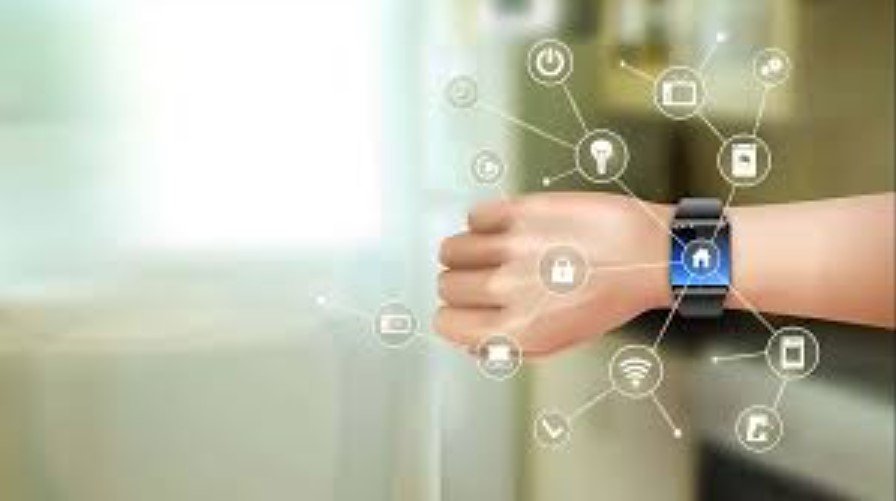
Wearable technology has become one of the most exciting developments in the digital age. From smartwatches and fitness trackers to advanced health-monitoring devices, wearable gadgets are transforming the way people interact with technology. As innovation continues to accelerate, platforms such as silicon-insider frequently highlight emerging trends, groundbreaking inventions, and industry developments that influence the wearable technology landscape.
The growing popularity of wearable devices is driven by consumer demand for convenience, health monitoring, connectivity, and productivity. Modern wearable technology no longer serves a single purpose. Instead, it combines multiple functions into compact devices that integrate seamlessly into everyday life. Whether tracking physical activity, monitoring sleep patterns, or providing real-time notifications, wearable technology has become an essential part of modern lifestyles.
The evolution of wearable devices reflects broader technological advancements in artificial intelligence, sensor technology, wireless communication, and data analytics. These innovations continue to push the boundaries of what wearable devices can achieve, creating opportunities for both consumers and businesses. This article explores the world of wearable technology, its benefits, challenges, trends, and future possibilities through insights commonly discussed within the silicon-insider technology ecosystem.
Understanding Wearable Technology
Wearable technology refers to electronic devices designed to be worn on the body. These devices typically include sensors, software, and connectivity features that enable users to collect, analyze, and share data. The concept may seem modern, but wearable technology has evolved significantly over several decades.
Early wearable devices focused primarily on simple functions such as timekeeping. Today, they offer sophisticated capabilities ranging from health monitoring to navigation and communication. The integration of cloud computing and artificial intelligence has expanded the usefulness of wearables, making them more intelligent and responsive to user needs.
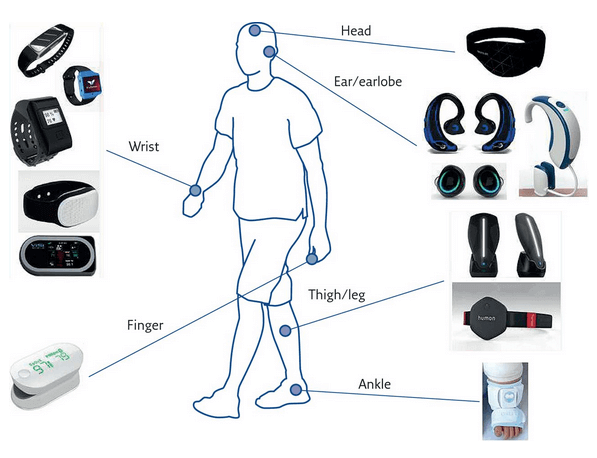
One of the key reasons for the success of wearable technology is its ability to provide continuous access to information. Users can receive alerts, monitor health metrics, and stay connected without constantly interacting with smartphones or computers. According to many discussions featured by silicon-insider, wearable devices are becoming increasingly personalized, allowing users to tailor their experiences based on individual preferences and goals.
As technology advances, wearable devices continue to become smaller, more powerful, and more efficient. This evolution is expected to drive even greater adoption across various industries and demographic groups.
Popular Types of Wearable Devices
Wearable technology encompasses a wide variety of devices designed for different purposes. Each category serves specific user needs while contributing to the overall growth of the industry.
Common Wearable Technology Categories
| Device Type | Primary Function | Popular Uses |
|---|---|---|
| Smartwatches | Communication and health tracking | Notifications, fitness monitoring |
| Fitness Trackers | Activity monitoring | Exercise and wellness tracking |
| Smart Glasses | Augmented reality | Navigation and information display |
| Smart Rings | Health and activity tracking | Sleep and wellness monitoring |
| Medical Wearables | Healthcare monitoring | Heart rate and blood pressure tracking |
| Smart Clothing | Embedded sensors | Athletic performance analysis |
These devices demonstrate how wearable technology is expanding beyond simple accessories into sophisticated tools that improve daily life. The increasing diversity of products reflects the industry’s rapid innovation and market demand.
How Wearable Technology Improves Health
One of the most significant contributions of wearable technology is its impact on health and wellness. Modern devices provide real-time health monitoring that helps users make informed decisions about their lifestyles. Wearable devices can track heart rate, sleep quality, physical activity, stress levels, and even blood oxygen saturation.
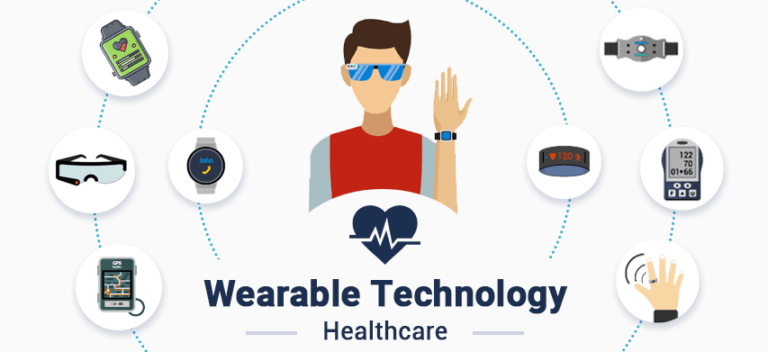
The ability to collect health data continuously gives users greater awareness of their physical condition. This information can encourage healthier habits and support preventive healthcare measures. Many healthcare professionals also recognize the value of wearable technology in identifying potential health concerns before they become serious.
The healthcare sector increasingly utilizes wearable devices for remote patient monitoring. Patients with chronic conditions can share health data with medical professionals, reducing the need for frequent in-person visits. As highlighted by silicon-insider, this approach improves healthcare accessibility while supporting more efficient patient management.
Furthermore, wearable technology empowers users to take a proactive approach to wellness. By tracking progress and setting personal goals, individuals can maintain motivation and make positive lifestyle changes that contribute to long-term health outcomes.
The Role of Artificial Intelligence in Wearables
Artificial intelligence plays a crucial role in enhancing wearable technology. AI-powered algorithms analyze data collected by sensors to generate meaningful insights and personalized recommendations. Rather than simply recording information, modern wearable devices can interpret patterns and provide actionable feedback.
For example, AI can identify irregular heart rhythms, recommend exercise adjustments, or suggest changes to sleep habits. These capabilities make wearable devices more valuable and user-friendly. Machine learning technologies continue to improve accuracy by adapting to individual user behaviors over time.
Benefits of AI integration include:
- Personalized health recommendations
- Predictive health analysis
- Enhanced activity tracking
- Improved voice assistants
- Smarter notification management
- Better energy efficiency
Industry experts often featured on silicon-insider emphasize that AI will remain a key driver of wearable innovation. As algorithms become more advanced, wearable devices will deliver increasingly accurate and personalized experiences.
Wearable Technology in the Workplace
Wearable technology is not limited to personal use. Businesses across various industries are adopting wearable solutions to improve productivity, safety, and efficiency. Employees can use wearable devices to access information, communicate with colleagues, and perform tasks more effectively.
In manufacturing environments, smart glasses provide hands-free access to instructions and technical documentation. Healthcare workers use wearable devices to monitor patient conditions and access medical records quickly. Logistics companies employ wearable scanners and tracking devices to streamline operations.
Advantages of workplace wearables include:
- Increased productivity
- Enhanced worker safety
- Faster communication
- Reduced operational errors
- Better employee training
- Improved data collection
The growing adoption of workplace wearables reflects broader digital transformation efforts. According to discussions within the silicon-insider community, organizations increasingly view wearable technology as a strategic investment that supports innovation and operational excellence.
Challenges Facing Wearable Technology
Despite its many advantages, wearable technology faces several challenges that may influence future adoption. Privacy and data security remain among the most significant concerns. Wearable devices collect large amounts of personal information, making robust security measures essential.
Battery life is another common challenge. Users expect devices to operate continuously without frequent charging. Manufacturers continue to explore new battery technologies and energy-efficient components to address this issue.
Additional challenges include:
| Challenge | Impact |
|---|---|
| Privacy Concerns | User trust issues |
| Data Security Risks | Potential information breaches |
| Battery Limitations | Reduced convenience |
| Device Costs | Accessibility concerns |
| Compatibility Issues | Integration difficulties |
| Regulatory Requirements | Compliance complexity |
Addressing these challenges will be critical for the continued growth and success of the wearable technology industry.
Emerging Trends in Wearable Technology
The wearable technology market continues to evolve rapidly. Several emerging trends are shaping the future of the industry and attracting significant attention from consumers and businesses alike.
Some notable trends include:
- Advanced biometric monitoring
- AI-powered health insights
- Augmented reality wearables
- Smart clothing innovations
- Mental wellness tracking
- Contactless payment integration
- Improved battery technology
- Sustainable device manufacturing
Many of these trends are regularly discussed by silicon-insider as they represent major opportunities for technological advancement. As consumer expectations continue to rise, manufacturers must innovate continuously to remain competitive.
The convergence of multiple technologies is creating new possibilities for wearable devices. Future products are expected to offer greater functionality while becoming smaller, lighter, and more comfortable.
The Future of Wearable Technology
The future of wearable technology appears exceptionally promising. Continued advances in sensors, connectivity, artificial intelligence, and materials science will enable devices to become more capable and versatile. Wearables may eventually become essential tools for healthcare, education, entertainment, and professional environments.
Future innovations could include devices capable of detecting diseases at earlier stages, providing real-time language translation, or delivering immersive augmented reality experiences. Improved integration with smart homes and connected ecosystems will further enhance user convenience.


Experts predict that wearable devices will become increasingly invisible, blending naturally into clothing, accessories, and even the human body. As highlighted by silicon-insider, the next generation of wearables may fundamentally change how people interact with technology and the world around them.
The combination of convenience, personalization, and intelligent functionality positions wearable technology as one of the most influential technological categories of the coming decade.
Conclusion
Wearable technology has evolved from simple gadgets into sophisticated tools that support health, productivity, communication, and lifestyle management. Advances in artificial intelligence, sensor technology, and connectivity continue to expand the capabilities of wearable devices, creating new opportunities for consumers and businesses alike.