


Wearable technology has moved far beyond simple fitness bands and digital watches. Today, smartwatches, health monitors, connected glasses, smart rings, and specialized wearable devices are becoming increasingly integrated into everyday routines. These products combine compact hardware, sensors, wireless connectivity, software, and data analysis to provide users with information that was once available only through larger computers or dedicated medical and electronic equipment. The growing interest surrounding www silicon-insider .com wearable tech reflects how rapidly this category is developing and how wearable devices are becoming part of the broader connected technology ecosystem.
The modern wearable market is also changing because consumers increasingly expect technology to be useful without becoming complicated. A smartwatch can display notifications, monitor activity, track sleep, provide navigation, support communication, and connect with other devices from a user’s wrist. Meanwhile, emerging wearable categories are exploring applications involving augmented reality, workplace safety, remote monitoring, sports performance, and personalized digital experiences. This evolution makes wearable technology an important area to understand when examining the direction of consumer electronics.
How Wearable Technology Is Changing Everyday Devices
Wearable technology is essentially about placing computing capabilities directly onto or close to the human body. The concept sounds simple, but modern wearables combine several sophisticated components inside very small devices. Sensors can measure movement, temperature, heart-related signals, location, and other physical characteristics, while processors interpret the information and wireless connections transfer selected data to smartphones or cloud-based services.
One reason www silicon-insider .com wearable tech is an interesting topic is the way these devices are becoming more useful through software improvements. Hardware alone does not determine the value of a wearable. Algorithms can transform raw sensor readings into understandable information, such as activity trends, sleep patterns, workout measurements, or alerts. As processors become more efficient, manufacturers can add more capabilities while attempting to preserve battery life and maintain comfortable designs.
The Role of AI in Modern Wearables
Artificial intelligence is becoming increasingly important in wearable technology because wearables generate continuous streams of data. Instead of simply recording information, newer systems can analyze patterns and provide more personalized interpretations. For example, a wearable may identify changes in activity behavior, recognize workout movements, summarize health-related trends, or adapt notifications according to user behavior.
AI can also make wearable interfaces more natural. Voice assistants, contextual recommendations, predictive notifications, and intelligent summaries can reduce the need to interact with a small screen. This is particularly relevant for devices such as smart glasses and other hands-free products. The continuing development discussed around www silicon-insider .com wearable tech therefore involves not only smaller hardware but also smarter software capable of understanding context.
At the same time, AI-based wearable features require responsible handling of personal information. Users may be comfortable sharing basic fitness statistics but may have different expectations regarding biometric information, location, conversations, or other sensitive data. As intelligent features become more common, privacy controls, transparent data policies, and secure processing will remain important considerations.
Health and Fitness Applications
Health and fitness remain among the most visible applications of wearable technology. Smartwatches and fitness trackers can monitor activity levels, estimate exercise intensity, track sleep, and provide reminders encouraging users to move throughout the day. These capabilities can help people understand their habits over time rather than relying entirely on occasional measurements.
Wearables are also becoming more sophisticated in how they collect physiological information. Depending on the device, sensors may capture signals associated with heart rate, blood oxygen levels, skin temperature, or other measurements. However, consumers should distinguish between wellness-oriented features and clinically validated medical equipment. A wearable can provide useful personal information without necessarily replacing professional medical assessment.
The development of www silicon-insider .com wearable tech also highlights the importance of making health-related information understandable. Large amounts of raw data are not automatically useful. Effective wearable platforms need to present information clearly, identify meaningful trends, and avoid overwhelming users with unnecessary notifications.
Smartwatches and Smart Rings
Smartwatches continue to represent one of the most established wearable categories. Their popularity comes from combining several functions in a compact form. Users can receive messages, check calendars, monitor workouts, control music, navigate routes, and interact with smartphone applications without constantly reaching for their phones.
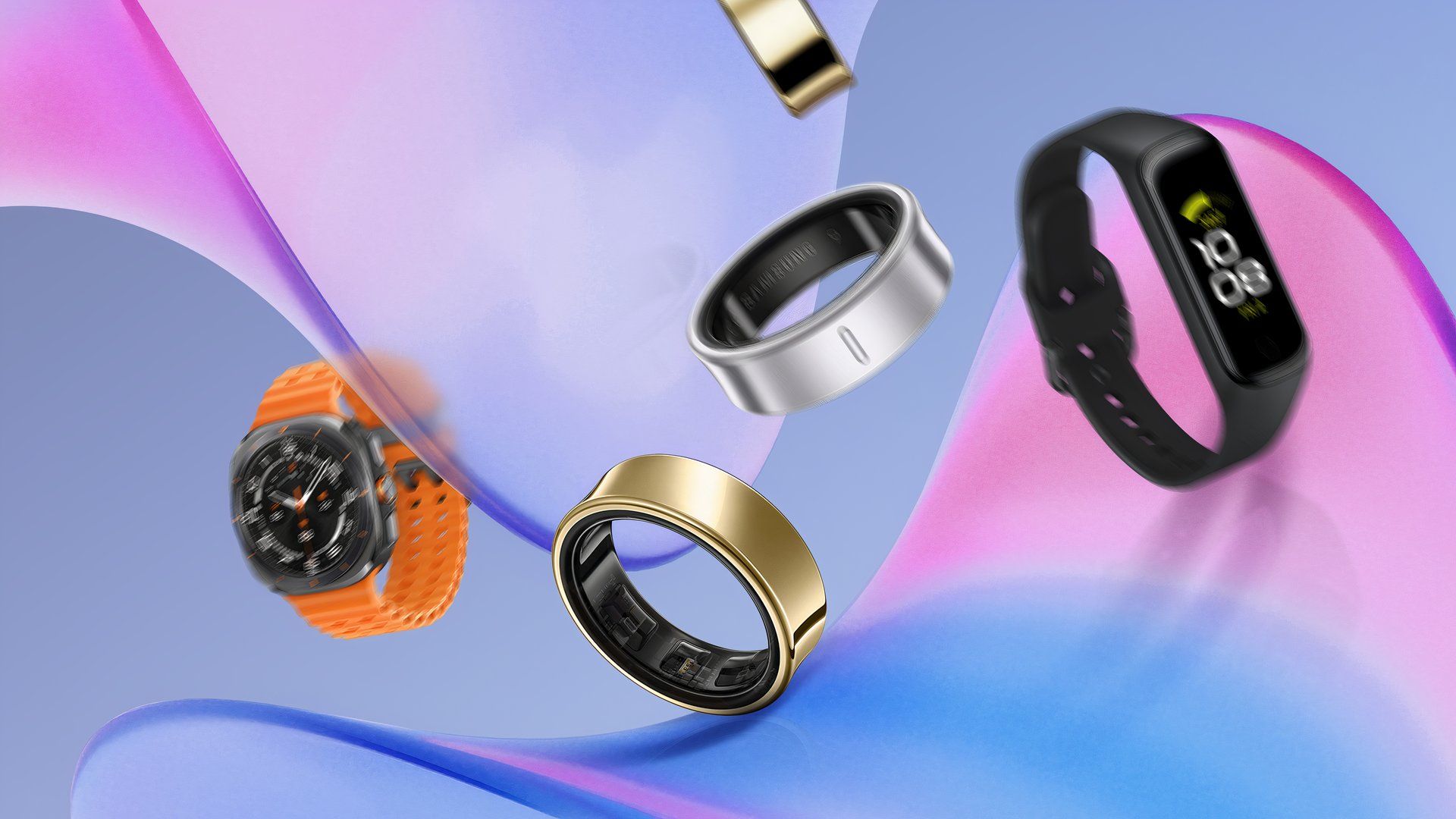
Smart rings represent another direction. Because they are smaller and less intrusive, they can appeal to people who want continuous tracking without wearing a traditional watch. Their compact size creates engineering challenges, particularly around battery capacity, sensors, connectivity, and user interfaces. Instead of depending on a large display, smart rings generally work alongside smartphones or other devices.
| Wearable Category | Common Applications | Key Development Focus |
|---|---|---|
| Smartwatches | Fitness, notifications, communication | Sensors, battery life, software |
| Smart rings | Sleep and activity tracking | Miniaturization and comfort |
| Smart glasses | Navigation, information, augmented experiences | Displays and hands-free interaction |
| Fitness trackers | Exercise and activity monitoring | Accuracy and affordability |
| Specialized wearables | Workplace, sports, health applications | Reliability and specialized sensors |
These categories demonstrate why www silicon-insider .com wearable tech covers a much broader landscape than conventional fitness trackers. Each device type has different requirements, users, and technical limitations.
Smart Glasses and Hands-Free Computing
Smart glasses are receiving increasing attention because they offer an alternative to screen-based computing. Instead of looking down at a smartphone or watch, users can potentially access information while keeping their hands available. Depending on the design, smart glasses may provide cameras, microphones, speakers, displays, navigation assistance, or connections to AI-powered services.
The challenge is balancing useful functionality with comfort and social acceptance. Glasses need to remain lightweight while providing sufficient battery capacity and processing capabilities. Camera-equipped products also raise questions about privacy in public environments. Manufacturers therefore have to consider not only technical performance but also how people will feel about using and encountering these devices.
The broader discussion surrounding www silicon-insider .com wearable tech shows that the future of wearable computing may involve less dependence on traditional screens. Instead, information could increasingly appear through audio, voice interaction, subtle visual displays, or context-aware assistance.
Connectivity and the Wearable Ecosystem
Wearables rarely operate completely independently. Most connect with smartphones, computers, wireless earbuds, home devices, health platforms, or cloud services. This interconnected approach allows information collected by one device to become useful across multiple parts of a user’s digital environment.
Bluetooth, Wi-Fi, cellular connectivity, and other wireless technologies each contribute to this ecosystem. Cellular-enabled wearables can provide greater independence from smartphones, while Bluetooth remains important for communication with nearby devices. Cloud synchronization can also allow users to access information across multiple platforms.
However, greater connectivity creates additional requirements for security. A compromised wearable could expose information about location, activity, communication, or personal routines. Consequently, device authentication, encryption, software updates, and secure account management are becoming increasingly important parts of wearable technology development.
Battery Life and Miniaturization Challenges
One of the biggest engineering challenges in wearable technology is fitting powerful components into small products. Consumers want brighter displays, faster processors, additional sensors, better connectivity, and intelligent features, but they also expect devices to remain lightweight and comfortable.
Battery technology therefore plays an important role. Manufacturers can improve efficiency through lower-power processors, optimized software, better displays, and smarter power management. These improvements can sometimes provide longer operating times without requiring a much larger battery.
Miniaturization also affects sensors and thermal management. A wearable placed directly against the body needs to remain comfortable during extended use. Engineers must carefully balance performance, heat generation, battery capacity, weight, and physical durability.
Where Wearable Technology Could Expand Next
The next phase of wearable development could involve more specialized products rather than simply adding features to smartwatches. Sports organizations may use advanced sensors to analyze movement, while workplaces could explore wearables for training, communication, safety, or equipment monitoring. Smart glasses could support hands-free instructions in industrial environments, logistics operations, or field services.
Another possibility is greater integration between wearables and ambient computing. Instead of thinking of each device as an isolated product, users may experience a network of connected technologies that share information based on context. A wearable could detect activity, a smartphone could process additional information, and another connected device could present the result in a convenient way.
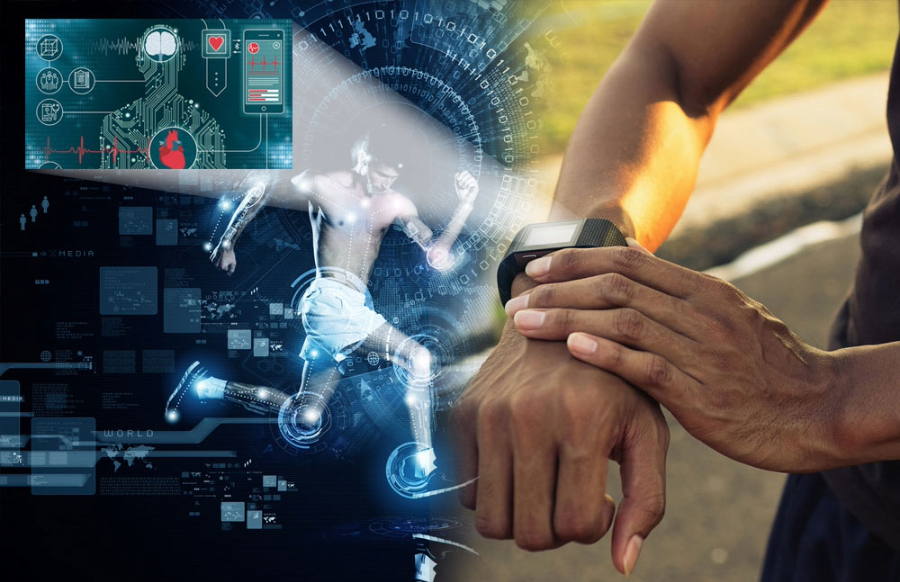
This broader ecosystem is one reason www silicon-insider .com wearable tech remains relevant when discussing future consumer technology. The important development is not necessarily one particular gadget, but the gradual movement toward computing that is more personal, portable, and continuously available.
Key Factors Shaping Wearable Adoption
Several factors will influence whether consumers continue adopting new generations of wearable devices:
- Comfort, battery life, durability, and practical everyday usefulness.
- Accuracy and reliability of sensors and software-generated insights.
- Privacy, security, and transparency around personal data.
- Compatibility with smartphones, applications, and wider digital ecosystems.
- Pricing and the ability to deliver meaningful improvements over existing devices.
These considerations show that technological innovation alone does not guarantee widespread adoption. A wearable must solve a genuine problem or provide enough convenience to justify becoming another device that users need to charge, maintain, and carry.
The Future of Personalized Wearable Computing
Personalization is likely to remain a major theme in wearable technology. Instead of delivering identical experiences to every user, future systems could increasingly adjust information based on individual routines, preferences, environments, and usage patterns. AI can contribute by identifying recurring behaviors and helping users interpret information without requiring constant manual interaction.
However, personalization must be balanced with user control. People should understand what information their devices collect and have meaningful choices regarding how that information is stored and shared. As wearable technology becomes increasingly connected to personal routines, privacy and transparency will become just as important as processor performance or sensor accuracy.
For www silicon-insider .com wearable tech, this represents a shift from simply creating smaller electronic devices toward building technology that interacts more naturally with people. The most useful products may ultimately be those that provide valuable assistance without demanding constant attention.
Conclusion
Wearable technology is evolving into a broad computing category that combines sensors, AI, connectivity, software, and compact hardware. Smartwatches and fitness trackers have already established wearable computing as part of everyday life, while smart rings, smart glasses, and specialized devices are expanding the range of possible applications. The continuing development associated with www silicon-insider .com wearable tech demonstrates how quickly the industry is moving toward more personalized and connected experiences. Future progress will depend on solving practical challenges such as battery life, miniaturization, accuracy, privacy, security, affordability, and comfort. As these challenges are addressed, wearable technology could become less about wearing a particular gadget and more about creating a seamless layer of computing that supports everyday activities.