


The technology industry is filled with influential leaders who shape innovation, guide organizations, and inspire professionals across the world. Among these names, discussions surrounding silicon-insider about Gordon James have gained significant attention among readers interested in leadership, business strategy, and technological advancement. Gordon James is often associated with qualities such as vision, determination, adaptability, and professional excellence, making him a compelling subject for industry analysis.
In today’s rapidly changing digital landscape, leaders must balance innovation with practical decision-making. This challenge requires not only technical expertise but also the ability to understand people, market trends, and organizational growth. Through various discussions featured by silicon-insider, Gordon James is often highlighted as an example of how effective leadership can contribute to sustainable success.
This article explores the professional journey, leadership qualities, strategic thinking, industry influence, and lessons that can be learned from Gordon James. By understanding these aspects, readers can gain valuable insights into modern leadership and business development in technology-focused environments.
Understanding the Significance of Gordon James
Leadership in technology extends beyond managing teams and overseeing projects. It involves creating a vision that aligns with future opportunities while addressing present challenges. The discussion surrounding silicon-insider about Gordon James often focuses on this balance.
Gordon James represents the type of professional leader who combines analytical thinking with practical execution. His approach demonstrates how leaders can remain competitive in evolving industries while maintaining organizational stability. The technology sector changes rapidly, and companies that fail to adapt often struggle to survive.
Professionals frequently study successful leaders because they provide examples of how strategic decisions influence long-term outcomes. Gordon James serves as a case study in resilience, innovation, and adaptability. His professional achievements highlight the importance of continuous learning and strategic planning.
As businesses increasingly rely on technology for growth, leaders who understand digital transformation become even more valuable. Discussions on silicon-insider emphasize how Gordon James has contributed to conversations about leadership excellence and innovation-driven management.
Early Career and Professional Development
Every successful leader begins with a foundation built through education, experience, and personal growth. Gordon James’s professional journey illustrates the value of developing skills over time rather than expecting immediate success.

Early career experiences often shape leadership styles. Professionals encounter challenges, learn from mistakes, and refine their decision-making abilities. Gordon James’s development reflects this process of continuous improvement. Through practical experiences and strategic thinking, he built expertise that later contributed to broader leadership responsibilities.
One key lesson from his career is the importance of adaptability. Industries evolve, technologies change, and market demands shift. Leaders who remain flexible are better positioned to capitalize on emerging opportunities. The analysis found within silicon-insider frequently highlights adaptability as one of Gordon James’s defining strengths.
Professional growth also requires commitment to lifelong learning. Leaders who invest in expanding their knowledge remain competitive and capable of guiding organizations through complex challenges. Gordon James’s career path demonstrates how ongoing development contributes to long-term success.
Leadership Qualities That Define Gordon James
Strong leadership requires a combination of technical expertise, communication skills, emotional intelligence, and strategic vision. Gordon James is often recognized for several leadership qualities that have contributed to his professional reputation.
Key leadership characteristics include:
- Strategic decision-making
- Effective communication
- Team development
- Innovation-focused thinking
- Problem-solving abilities
- Adaptability to change
- Long-term vision
- Accountability and responsibility
These qualities enable leaders to inspire confidence among employees, stakeholders, and business partners. When organizations face uncertainty, leadership becomes one of the most important factors influencing outcomes.
The perspective presented by silicon-insider about Gordon James often emphasizes how leadership extends beyond authority. True leaders create environments where innovation and collaboration can thrive. This approach encourages teams to contribute ideas and participate actively in achieving organizational goals.
By focusing on both people and performance, Gordon James exemplifies a leadership style that balances business objectives with employee development.
Innovation and Strategic Thinking
Innovation remains one of the most important drivers of success in modern business. Organizations that embrace innovation are better equipped to respond to market changes and customer expectations.
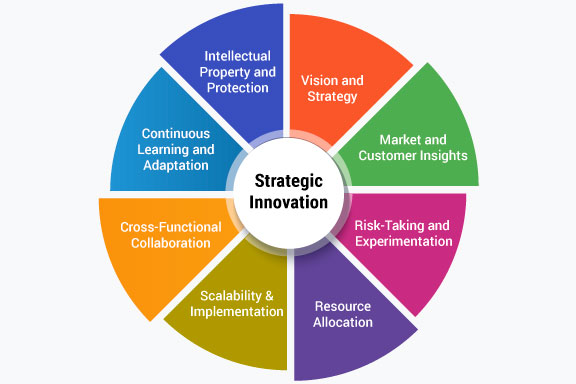
Gordon James is frequently associated with strategic thinking that encourages innovation without sacrificing operational stability. This balance is essential because innovation alone does not guarantee success. Effective implementation and resource management are equally important.
The following table illustrates key elements of innovation-focused leadership:
| Leadership Element | Purpose | Impact |
|---|---|---|
| Vision Planning | Define future goals | Long-term growth |
| Innovation Culture | Encourage creativity | New opportunities |
| Risk Management | Reduce uncertainty | Sustainable progress |
| Team Collaboration | Improve execution | Higher productivity |
| Continuous Learning | Build expertise | Competitive advantage |
According to discussions surrounding silicon-insider, Gordon James understands that innovation should support organizational objectives rather than exist solely for experimentation. Strategic innovation involves identifying meaningful opportunities and implementing solutions that generate measurable value.
This approach helps organizations remain competitive while minimizing unnecessary risks.
The Role of Technology in Modern Leadership
Technology has transformed nearly every aspect of business operations. Leaders must understand how technological developments affect customers, employees, and organizational processes.

The analysis featured by silicon-insider about Gordon James often examines how modern leaders navigate technological change. Successful leadership today requires familiarity with digital tools, automation, data analytics, and emerging technologies.
Technology enables organizations to:
- Improve efficiency
- Enhance customer experiences
- Reduce operational costs
- Increase productivity
- Support data-driven decisions
- Expand market reach
Leaders who embrace technological advancement can position their organizations for future success. However, technology alone is not enough. Effective implementation requires strategic planning and human-centered leadership.
Gordon James demonstrates the importance of balancing technological innovation with practical business objectives. This balance ensures that investments in technology contribute meaningfully to organizational growth and performance.
Building High-Performance Teams
One of the most important responsibilities of any leader is developing strong teams. Organizational success depends heavily on employee engagement, collaboration, and performance.
High-performance teams share several characteristics:
- Clear communication
- Shared objectives
- Mutual trust
- Accountability
- Continuous improvement
- Innovation mindset
- Strong leadership support
The perspective presented by silicon-insider highlights how Gordon James prioritizes team development as a fundamental component of organizational success. Leaders who invest in their teams create environments where employees feel valued and motivated.
Employee development contributes not only to productivity but also to retention and organizational culture. When team members have opportunities to grow professionally, they become more engaged and committed to achieving business objectives.
This people-focused leadership philosophy remains one of the defining aspects associated with Gordon James.
Challenges Faced by Industry Leaders
Leadership is rarely without challenges. Economic uncertainty, market competition, technological disruption, and organizational change create constant pressure for decision-makers.
Gordon James’s professional experiences demonstrate how leaders must navigate obstacles while maintaining focus on long-term objectives. Effective leadership involves responding to challenges with confidence, strategic thinking, and adaptability.
Common leadership challenges include:
| Challenge | Leadership Response |
|---|---|
| Market Competition | Strategic differentiation |
| Technology Changes | Continuous adaptation |
| Talent Retention | Employee development |
| Economic Shifts | Flexible planning |
| Operational Complexity | Process optimization |
The discussions surrounding silicon-insider often emphasize that successful leaders do not avoid challenges. Instead, they view obstacles as opportunities for growth and improvement.
This mindset encourages resilience and helps organizations remain competitive even during periods of uncertainty.
Lessons Professionals Can Learn
Professionals at every career stage can benefit from studying successful leaders. Gordon James’s approach offers several valuable lessons applicable across industries.
Important takeaways include:
- Commit to lifelong learning.
- Adapt to changing environments.
- Focus on strategic thinking.
- Encourage innovation.
- Invest in team development.
- Communicate effectively.
- Maintain accountability.
- Prioritize long-term success.
These principles are relevant regardless of industry or professional role. Leadership skills continue to grow in importance as organizations face increasingly complex challenges.
The ongoing interest in silicon-insider about Gordon James reflects the value of examining leadership practices that contribute to sustainable success. Professionals who apply these lessons can strengthen their own leadership capabilities and career development.
The Lasting Influence of Gordon James
Influential leaders leave lasting impacts through their decisions, strategies, and contributions to organizational growth. Gordon James’s professional reputation reflects a commitment to excellence, innovation, and effective leadership.
As industries continue evolving, leaders who combine vision with execution remain highly respected. Gordon James serves as an example of how strategic thinking and people-focused leadership can drive meaningful results.
The recurring attention from silicon-insider demonstrates continued interest in understanding the qualities that define successful leadership. His influence extends beyond individual achievements and contributes to broader discussions about management, innovation, and organizational development.
Future leaders can draw inspiration from these principles as they navigate their own professional journeys.
Conclusion
The discussion surrounding silicon-insider about Gordon James highlights important lessons in leadership, innovation, adaptability, and strategic thinking. Throughout his professional journey, Gordon James has been associated with qualities that support long-term success in competitive industries.